
Bixa | Industries we serve | Healthcare & HealthTech
Market Research for Healthcare, Medical Device, and Digital Health Companies
Healthcare organizations operate in complex environments where clinical outcomes, regulatory considerations, and patient needs all shape product adoption and decision-making.
Healthcare companies partner with Bixa to answer questions like:
• How do physicians, administrators, and healthcare buyers evaluate our solution?
• What unmet needs exist among patients or providers?
• Which product features matter most in clinical workflows—and how much more would customers pay for these?
• Would customers pay for a subscription-based app to go along with our device?
• How should we position and price our medical device, diagnostic, or digital health platform?
• What messaging resonates with healthcare decision-makers?
• Where do clinicians or patients encounter friction using our product?
• Should we sell our device directly to providers, or to hospital systems (a B2B play)?
Our research helps healthcare and medical device companies understand the people who ultimately determine adoption—patients, providers, and healthcare buyers—so product, marketing, and strategy decisions are grounded in real-world insight.
Schedule a research strategy call
We talk through your goals and recommend an approach. No sales pitch. Just a smart, honest conversation with a senior researcher.
Healthcare Market Research Challenges We Help Solve
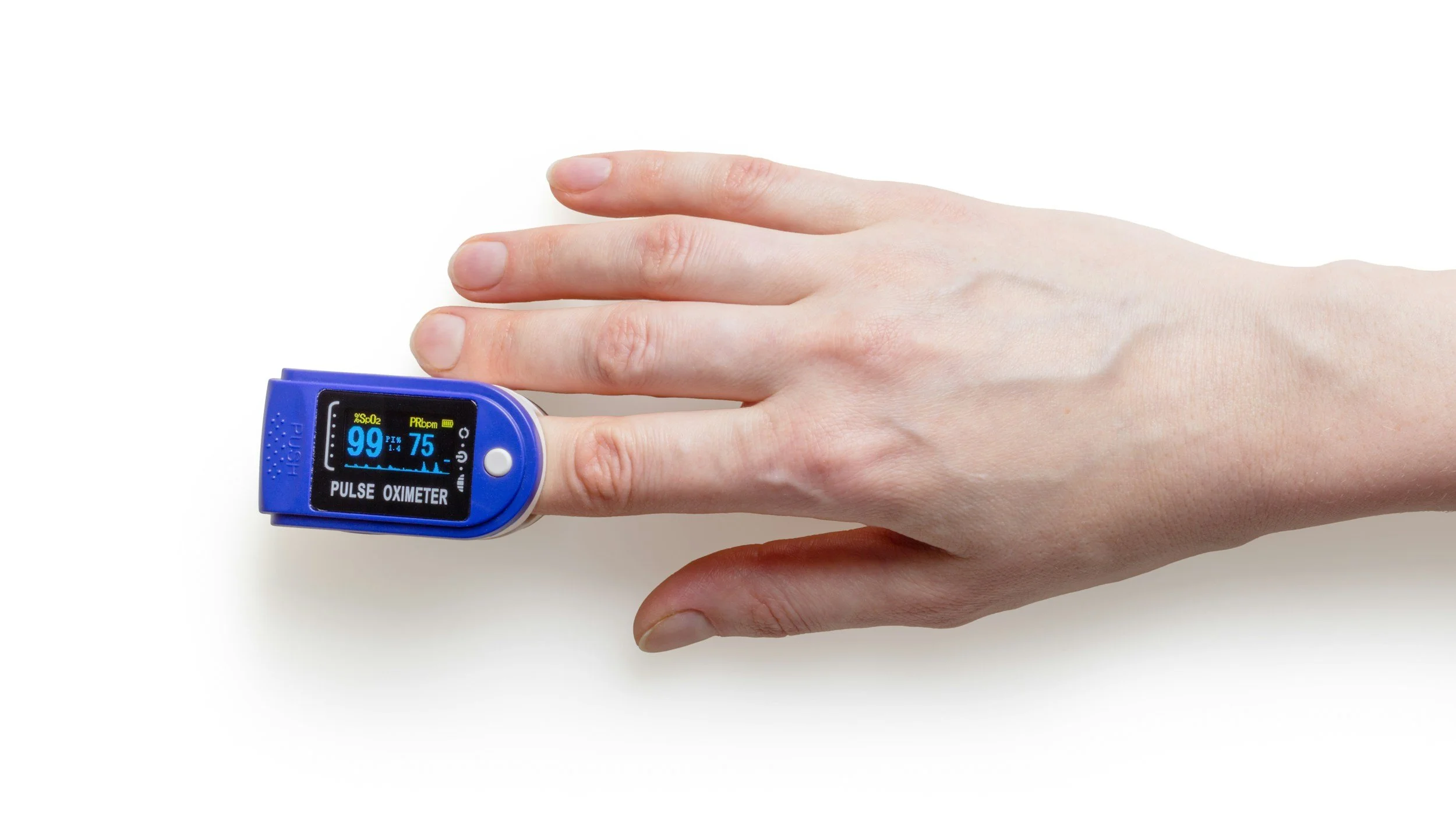
A healthcare market research firm helps healthcare, healthtech, and medical device companies understand the people who determine whether a product succeeds: patients, providers, buyers, and clinical decision-makers. Companies need research that goes beyond product performance, in order to understand user expectations, adoption barriers, and real-world patient needs.
Providers must trust the technology, administrators must justify the cost, and patients must be willing to engage with the solution.
Healthcare organizations bring in a market research partner like Bixa to help answer critical questions with insight from the people who ultimately determine adoption—patients, physicians, nurses, hospital administrators, and healthcare buyers.
Below are some of the common research challenges healthcare and medical technology companies ask us to help solve.
-
Healthcare companies often develop solutions based on internal assumptions about what patients need. But the reality of managing symptoms, navigating healthcare systems, and living with chronic conditions can be very different from what product teams expect.
Organizations frequently need to understand what patients are actually experiencing, where they feel frustrated, and what would meaningfully improve their care journey.
How Bixa Helps:
Bixa conducts qualitative patient research studies, patient interviews, and video diary research to understand real-world healthcare experiences. These studies reveal emotional drivers, barriers to care, and unmet needs that help healthcare companies design products, services, and support programs that truly improve the patient experience.
-
Even highly innovative healthcare technologies can struggle with adoption if they disrupt workflows, require extra time, or fail to demonstrate clear value to clinicians.
Healthcare companies need to understand what actually drives physician adoption and what concerns or barriers prevent new technologies from gaining traction.
How Bixa Helps:
Bixa’s market research services include qualitative research, such as physician research and healthcare provider interviews to understand how clinicians evaluate new technologies. These studies uncover the clinical, operational, and economic factors that influence adoption, helping companies refine product design, positioning, and commercialization strategies.
-
Medical devices must work seamlessly within complex clinical environments and EHR systems. If devices slow down procedures, require excessive training, or interrupt established workflows, adoption may stall—even if the technology itself is strong.
A healthcare market research firm can help medical device companies understand how clinicians actually use devices in practice.
How Bixa Helps:
For our healthcare clients, a mix of product research and qualitative research gives physicians, nurses, and technicians the insights they need, including medical device usability research and clinical workflow. Our healthcare market research services reveal how devices are used in real environments, identify usability challenges, and provide actionable recommendations to improve device design and integration into clinical workflows.
-
Wearable health technologies and remote patient monitoring tools have enormous potential—but long-term engagement can be difficult. Many patients stop using devices after initial excitement if the technology feels complicated, intrusive, or difficult to integrate into daily life.
Healthcare companies often need to understand what motivates patients to adopt and continue using wearable technologies, which is where a market research company comes in.
How Bixa Helps:
Bixa’s market research services includes wearable health technology research and patient usability testing to understand how people use monitoring devices in real-world contexts. These studies reveal barriers to engagement and help companies design wearable technologies that patients will actually adopt and continue using.
-
Healthcare software must serve multiple audiences simultaneously—clinicians, administrators, and patients—while fitting into complex healthcare workflows.
If digital tools create friction or confusion, adoption can stall and clinicians may revert to existing systems.
How Bixa Helps:
Bixa provides healthcare UX research and usability testing for digital health platforms and healthcare software. Through moderated usability testing, workflow analysis, and interviews, we identify friction points and recommend improvements that make software easier for clinicians and patients to use.
-
Pricing healthcare products and services can be challenging due to reimbursement structures, hospital budgets, and multiple stakeholders involved in purchasing decisions.
Healthcare companies often need to understand how decision-makers evaluate cost relative to clinical benefit and operational value.
How Bixa Helps:
For healthcare pricing research, we use techniques such as Van Westendorp, Gabor-Granger, and conjoint analysis. These studies quantify willingness to pay and reveal how healthcare buyers evaluate tradeoffs between product features, clinical value, and pricing.
-
Healthcare purchasing decisions rarely involve a single decision-maker. Hospitals often evaluate solutions through committees that include clinicians, administrators, procurement teams, and IT leaders.
Companies often need a healthcare market research firm to understand how these stakeholders evaluate solutions and what criteria influence purchasing decisions.
How Bixa Helps:
Healthcare buyer research and hospital decision-maker studies are important in understanding how healthcare organizations evaluate new technologies. These insights help companies refine messaging, sales strategies, and product positioning for complex healthcare buying environments.
-
Artificial intelligence is increasingly being used in healthcare for diagnostics, decision support, and operational improvements. However, adoption depends heavily on whether clinicians trust the technology and understand how it fits into clinical decision-making, which is where a healthcare market research company like Bixa comes in.
Healthcare organizations often need to understand how physicians and healthcare leaders perceive AI-enabled tools.
How Bixa Helps:
Bixa conducts AI in healthcare research with clinicians, healthcare leaders, and patients to understand how AI tools are perceived and evaluated. These studies reveal trust drivers, adoption barriers, and how organizations can position AI technologies in ways that build confidence among healthcare stakeholders.
-
Healthcare decisions are rarely simple. Patients often navigate multiple stages—from recognizing symptoms to seeking care, receiving diagnoses, and managing ongoing treatment.
Healthcare companies frequently need to understand where patients struggle along this journey and where new solutions could improve care.
How Bixa Helps:
Our qualitative research includes patient journey research and healthcare experience studies to map how patients navigate healthcare systems. These insights help organizations identify opportunities to improve care delivery, patient support programs, and digital health solutions.
Bixa’s Healthcare Market Research Services
-

Market Research
Bixa conducts market research for healthcare organizations, medical device companies, and digital health platforms to understand how providers, patients, and healthcare buyers evaluate solutions. Our research helps organizations understand competitive positioning, adoption drivers, and how brand awareness and perception evolve over time.
Our research often includes:
• Physician and provider interviews to understand how healthcare professionals evaluate new products or technologies
• Patient research to uncover barriers to adoption, treatment decision factors, and unmet needs
• Competitive perception studies to understand how solutions compare to alternatives in the market
• Segmentation and persona research to identify distinct provider, patient, or buyer groups
• Brand perception and awareness research to measure how organizations are viewed within the healthcare ecosystem -

Product Research
Bixa’s product research offerings help healthcare companies make smarter product development, feature prioritization, and pricing decisions through research that identifies which capabilities matter most to providers, patients, and healthcare buyers.
Our product research often includes:
• Feature prioritization studies using MaxDiff to identify which capabilities matter most to healthcare decision-makers
• Conjoint analysis to understand tradeoffs between features, pricing models, and product bundles
• Concept testing for new healthcare products, diagnostics, or digital health solutions
• Pricing research to evaluate willingness to pay for medical devices, diagnostics, software platforms, or services -

UX Research
Bixa conducts UX research and usability testing for SaaS platforms and technology products to understand how users interact with software and where friction occurs. Our UX research often includes:
• Moderated usability testing where researchers observe users interacting with the product
• Unmoderated usability testing that captures user behavior at scale
• Heuristic UX reviews to evaluate the product against usability best practices
• User interviews and feature adoption research to uncover barriers to engagement
Our Healthcare Market Research Methods
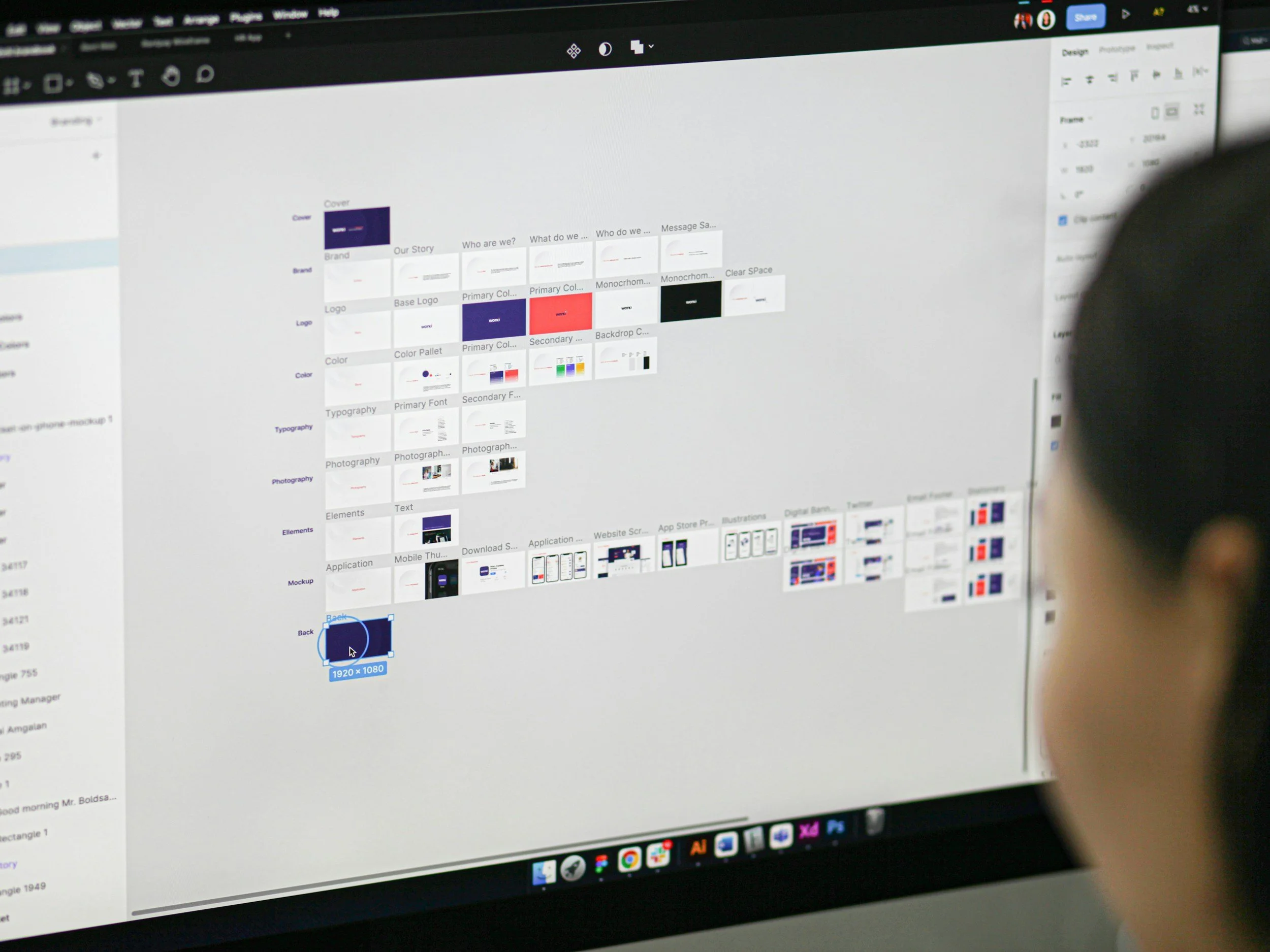
Healthcare companies rely on a variety of research methods to understand how patients, providers, and healthcare organizations evaluate new technologies and services. Because healthcare environments are complex, organizations often use multiple types of research to uncover both behavioral insights and statistically reliable patterns.
Bixa designs healthcare research programs using qualitative and quantitative methods depending on the questions the organization is trying to answer. Common healthcare research methods we conduct include:
Patient research and patient journey studies to understand how patients experience symptoms, seek care, and manage treatment
Physician and provider research to understand clinical workflows and adoption barriers
Medical device usability research to evaluate how clinicians interact with devices in real environments
Healthcare UX research to improve digital health platforms, patient portals, and clinical software
Pricing and value perception research using techniques such as Van Westendorp, Gabor-Granger, and conjoint analysis
Feature prioritization studies using MaxDiff to identify which capabilities matter most to providers and patients
Segmentation and persona research using cluster analysis to identify distinct patient or provider groups
Brand perception and brand tracking research to measure awareness, trust, and reputation in healthcare markets
Healthcare buyer research to understand how hospitals, health systems, and procurement teams evaluate solutions
These research programs help healthcare companies make more confident decisions about product strategy, patient experience, pricing, positioning, and adoption.
Our Healthcare Audiences
Healthcare innovation depends on understanding the perspectives of many different stakeholders. A new product may affect physicians, nurses, administrators, and patients in very different ways—and successful healthcare companies understand how each group evaluates and experiences new technologies.
Bixa’s market research services encompasses research with a wide range of healthcare audiences to help organizations understand adoption, usability, clinical workflows, and patient experiences. We regularly recruit and conduct research with participants such as:
Patients and caregivers managing chronic conditions or navigating healthcare decisions
Primary care physicians and medical specialists across a wide range of clinical disciplines
Nurses, nurse practitioners, and physician assistants involved in frontline care delivery
Hospital administrators and healthcare executives responsible for operations and procurement
Health system procurement and purchasing teams evaluating medical technologies and services
Clinical technicians and medical device users who interact with equipment during procedures
Digital health users and remote monitoring participants using patient-facing healthcare technologies
Healthcare IT professionals responsible for evaluating and implementing healthcare software
Care coordinators and case managers involved in managing patient care journeys
Through qualitative and quantitative research with these audiences, Bixa helps healthcare organizations understand how new technologies are evaluated, adopted, and experienced in real-world healthcare environments. These insights help healthcare companies make more confident decisions about product design, patient engagement, commercialization strategy, and healthcare innovation.
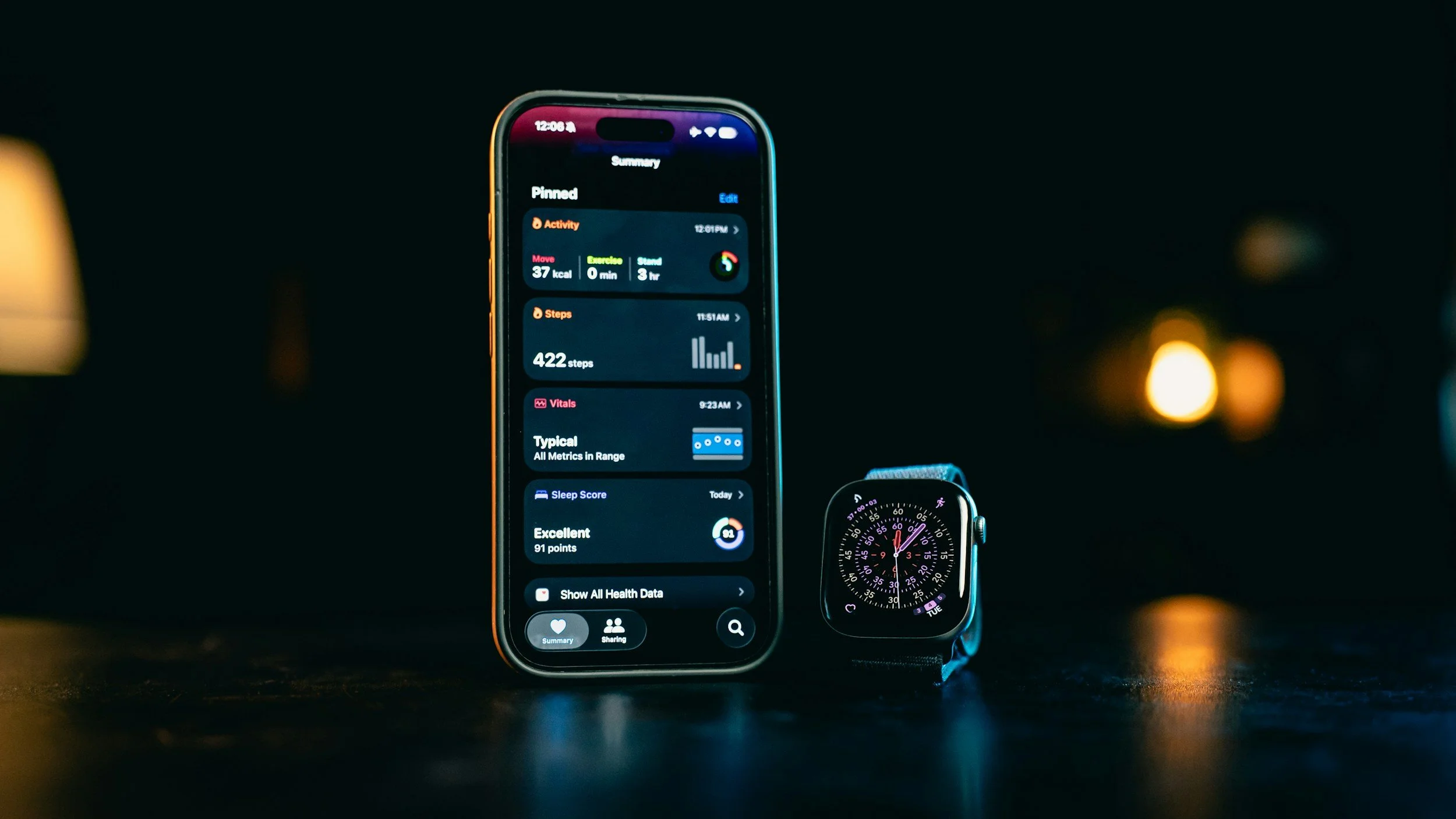

About BixaYour Research Partner for Technology and SaaS Companies
Bixa works with healthcare innovators to understand how patients, providers, and healthcare organizations evaluate new products and technologies. Our research helps healthcare teams answer critical questions about adoption, usability, product-market fit, and positioning in complex clinical and healthcare environments.
We partner with digital health companies, medical device manufacturers, diagnostics companies, and healthcare software platforms to uncover insights into patient experiences, clinical workflows, purchasing decisions, and the factors that influence adoption of new healthcare solutions. Organizations we work with include:
Medical device manufacturers
Digital health and telehealth platforms
Healthcare software and health IT companies
Wearable health technology companies
Diagnostic and testing companies
Pharmaceutical and biotech companies
Healthcare services and care delivery organizations
Remote patient monitoring and connected health companies
Health AI and clinical decision support platforms
Our market research services help healthcare organizations make better decisions about product development, commercialization strategy, pricing, messaging, and patient engagement.
Our Clients
Trusted by leading healthcare, medical device, and digital health organizations
Rated 5.0/5 on


Case studies: Market Research for Healthcare & HealthTech Companies
-
![Eko health logo]()
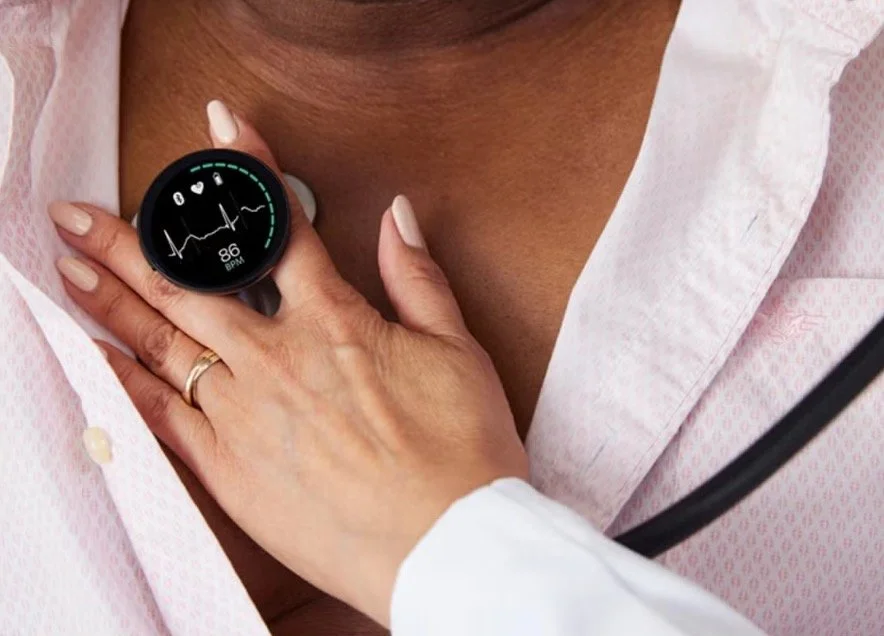
Product Design: Medical Device Research to Optimize a Digital Stethoscope
Bixa worked with Eko Health on multiple research initiatives to support the development of its AI-powered digital stethoscopes. In one qualitative study, a conjoint analysis revealed that one specific product design change could increase clinicians’ willingness to pay by $120 per stethoscope, demonstrating how market simulators can quantify the value of specific attributes of a product.
Additional research included feature prioritization research, cluster analysis for audience segmentation, as well as qualitative interviews with cardiologists, heads of cardiology departments at large health systems, and hospital administrators responsible for purchasing medical devices to understand enterprise buyer potential.
-
![Constellation Mutual Medical Insurance logo]()
Product-Market Fit Research: For an Innovative Medical Malpractice Insurance Model
Constellation Mutual needed a healthcare market research company to evaluate product-market fit for their new approach to medical malpractice insurance. Through qualitative and quantitative research with physicians and practice managers at a variety of practices — surgery, pediatrics, OBGYN, etc. — Bixa’s study identified which medical specialties and practice types and sizes were most receptive to the new model, and clarified how to position the offering to the right audiences.
-
![AAMFT logo]()
National Workforce Survey of Mental Health Professionals
The American Association for Marriage and Family Therapy — AAMFT — needed a large market research firm for a widescale survey. Bixa was brought in to conduct an annual workforce survey of more than 1,000 marriage and family therapists across the United States.
Outcome:
The research informed an industry whitepaper and provided data-driven insights into workforce trends, professional challenges, and the evolving needs of mental health professionals.
-
![LetsGetChecked logo]()
Nationwide Healthcare Research: Access, Equity, and Patient Experience
LetsGetChecked hired Bixa to conduct a nationwide study exploring how Americans experience healthcare access, affordability, and equity.
Outcome:
The research powered a major thought-leadership report and helped highlight opportunities for expanding access to at-home testing and digital healthcare services.
-
![Michigan Dental Association logo with text 'michigan dental association' and the tagline 'Your connection to oral health'.]()
Research to Improve Member Experience for a Statewide Dental Association
Bixa conducted qualitative research with dentists to understand what early-career professionals need most from their professional association through interviews, focus groups, and usability testing.
Outcome:
The findings informed improvements to the Michigan Dental Association’s website UX and navigational structure, making it easier for members to find and use the resources available to them.





Healthcare Market Research Services FAQs
Healthcare market research helps healthcare, healthtech, medical device, diagnostics, and digital health companies make better decisions about products, pricing, positioning, usability, adoption, and patient experience.
Below are common questions about healthcare market research services, when to use them, and how to choose the right healthcare market research firm.
-
A healthcare market research firm helps healthcare and medical technology companies understand how patients, providers, and healthcare organizations evaluate products and services. This type of research supports decisions about product development, pricing, positioning, usability, and commercialization strategy.
Healthcare market research often includes studies with physicians, nurses, hospital administrators, and patients. Methods may include qualitative research, such as interviews, surveys, usability testing, and advanced quantitative techniques such as segmentation, MaxDiff, and conjoint analysis.
Companies often partner with healthcare research firms like Bixa to bring objective, evidence-based insight into product and marketing decisions.
-
Medical device companies often conduct market research at several stages of the product lifecycle.
Early in development, research can help identify unmet clinical needs and understand how providers currently solve the problem the device addresses. Later in development, companies may conduct usability research to evaluate device design or clinical workflow integration.
Medical device market research is also commonly used before commercialization to test messaging, understand how hospitals evaluate devices, and determine pricing strategies. Ongoing research can help companies monitor adoption and identify opportunities for product improvement. -
Digital health user research typically involves a combination of qualitative and quantitative research methods. Interviews and usability testing allow researchers to observe how patients and providers interact with digital health platforms, while surveys can quantify patterns across larger groups of users.
Researchers may also conduct patient journey studies, video diary research, or longitudinal studies to understand how patients use digital health tools over time.
This type of research helps digital health companies identify usability challenges, improve engagement, and design products that fit into both patient routines and clinical workflows.
-
Healthcare research participants are typically recruited through a combination of specialized healthcare panels, proprietary participant databases, professional networks, and local recruitment partners.
A market research firm working in the healthcare industry like Bixa must be able to recruit specific audiences such as physicians within certain specialties, hospital administrators, caregivers, or patients with particular conditions.
Experienced research firms maintain relationships with multiple recruitment sources so they can quickly find qualified participants—even for niche healthcare audiences.
-
Healthcare companies should look for market research firms who understand both research methodology and the complexities of healthcare markets.
Important factors include experience recruiting physicians and patients, expertise in healthcare UX and clinical workflow research, and the ability to run both qualitative and quantitative studies.
The best healthcare research partners also translate findings into clear recommendations that help organizations make decisions about product design, pricing, positioning, and adoption.
-
Healthcare organizations often turn to market research companies when they are making major decisions about product development, commercialization, or patient engagement. Because healthcare markets involve complex stakeholders and regulatory environments, evidence from patients and providers can significantly reduce risk.
Healthcare and health technology companies often use research to answer questions such as:
How do physicians evaluate new medical devices or digital health technologies?
What unmet needs do patients experience during diagnosis, treatment, or disease management?
How well does our healthcare software fit into clinical workflows?
Which product features matter most to clinicians, administrators, or patients?
What pricing structure aligns with how healthcare organizations evaluate value?
How does our healthcare brand compare to competitors in terms of trust and credibility?
What barriers prevent patients or providers from adopting our technology?
By hiring an unbiased, independent market research vendor to answer these questions with real-world data, healthcare companies can reduce uncertainty, decrease anecdotal/historical thinking, and make better decisions about product strategy, messaging, pricing, and patient experience based on real patient and/or provider data.
-
Patient research studies often focus on understanding the full patient experience—from recognizing symptoms to seeking care, receiving treatment, and managing health conditions.
Methods may include patient interviews, UX testing sessions, surveys, diary studies, and journey mapping research. These studies help healthcare companies identify unmet needs, emotional drivers, barriers to care, and opportunities to improve patient support.
Insights from patient research are often used to guide product design, digital health experiences, education programs, and patient engagement strategies.
-
Healthcare UX research evaluates how clinicians, patients, and healthcare staff interact with digital tools such as electronic health platforms, medical devices, and patient apps.
Usability testing and user interviews help identify friction points in navigation, workflow integration, and information clarity. In healthcare environments, poor usability can slow adoption or create risks for clinical errors.
Healthcare UX research helps companies design interfaces that are intuitive for both clinicians and patients, improving adoption and long-term engagement.
-
Healthcare pricing research helps companies understand how providers, hospitals, and healthcare organizations evaluate cost relative to value.
Researchers often use techniques such as Van Westendorp price sensitivity analysis, Gabor-Granger pricing studies, or conjoint analysis to measure willingness to pay and evaluate tradeoffs between product features and pricing.
These methods help healthcare companies design pricing strategies that align with market expectations and support adoption.
-
Many healthcare companies conduct some internal research, but specialized research partners bring deeper expertise in study design, participant recruitment, and advanced analysis methods.
Independent research firms can also provide an objective perspective that helps leadership teams make confident decisions about product strategy and commercialization.
Working with an experienced healthcare market research company (for example, Bixa Research) allows organizations to access sophisticated research capabilities—without needing to build a large in-house research team.
-
Yes. As artificial intelligence becomes more common in healthcare, companies increasingly conduct research to understand how clinicians and healthcare organizations evaluate AI-driven tools.
Research studies may explore physician trust in AI recommendations, how AI fits into clinical workflows, and how providers interpret algorithm-driven insights.
These studies help healthcare companies design AI tools that clinicians understand, trust, and feel comfortable using in real-world healthcare settings.
Ready to strengthen your healthcare research strategy?
Book a complimentary 30-minute consultation with a senior healthcare researcher at Bixa to discuss your study, patient audience, or clinical stakeholders.

