
What Our Intern Helena Dobbs Learned About Turning Research Into Action
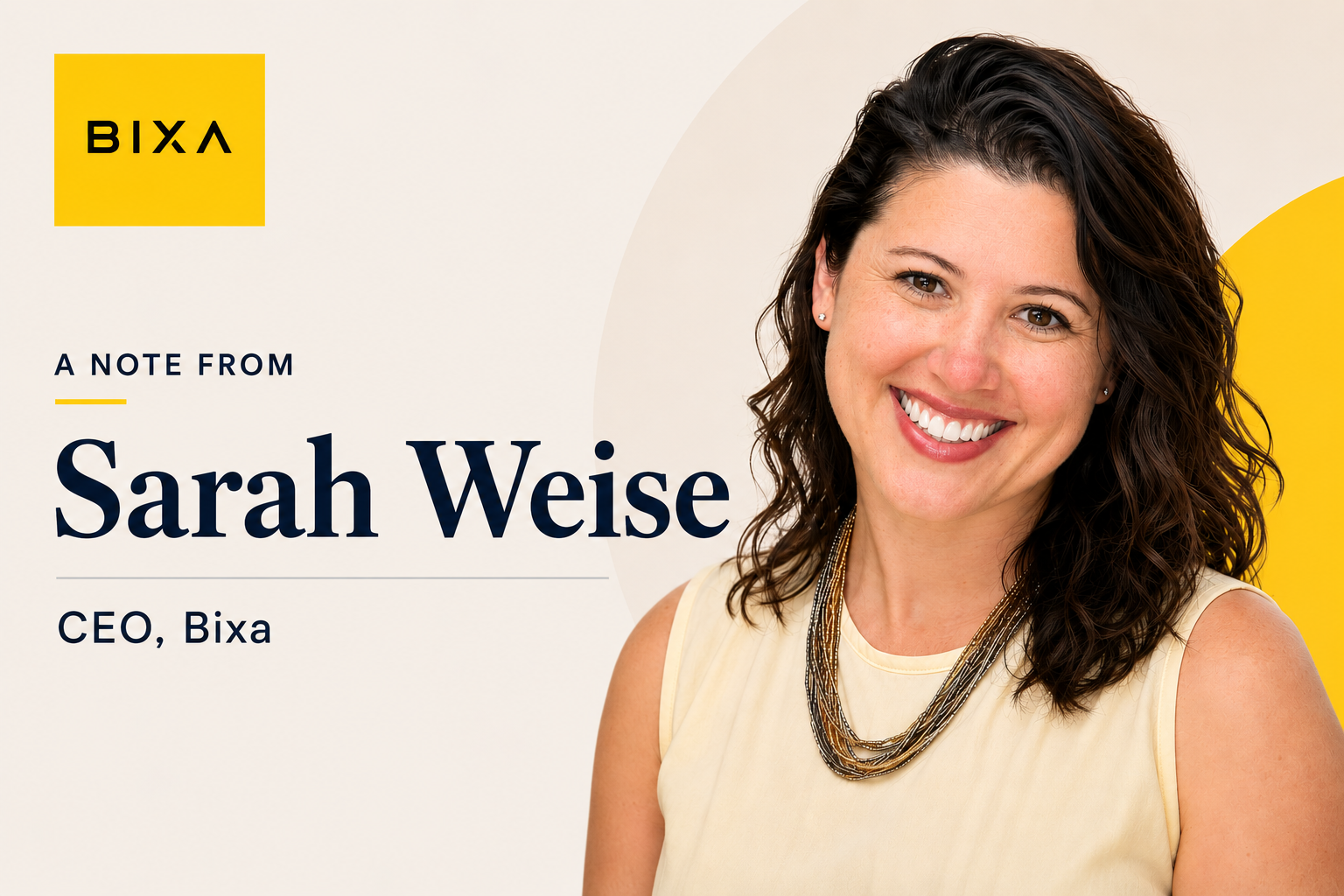
This summer, we had the absolute pleasure of having Helena Dobbs join the Bixa team for a 10-week research internship.
From the beginning, Helena impressed us with her curiosity, thoughtfulness, and willingness to jump into just about anything we threw her way. Over the course of the summer, she got a very real look at what working in market research is actually like—sitting in on client presentations, working with both qualitative and quantitative research, seeing how findings evolve into recommendations, and learning that sometimes the hardest part of research isn't finding the answer. It's figuring out how to communicate it.
Helena was a fantastic addition to our team, and we're incredibly proud of the work she did and the growth we saw over her 10 weeks with us.
At the end of her internship, we asked Helena to write about something she learned during her time at Bixa. I love what she chose because it's a lesson that took me years as a researcher to fully appreciate: your clients don't necessarily need more data. They need you to help them understand what it means.
I'll let Helena take it from here.
Interested in interning at Bixa next summer? Every summer we look for smart, curious college students who want hands-on experience with real-world market research. Apply here
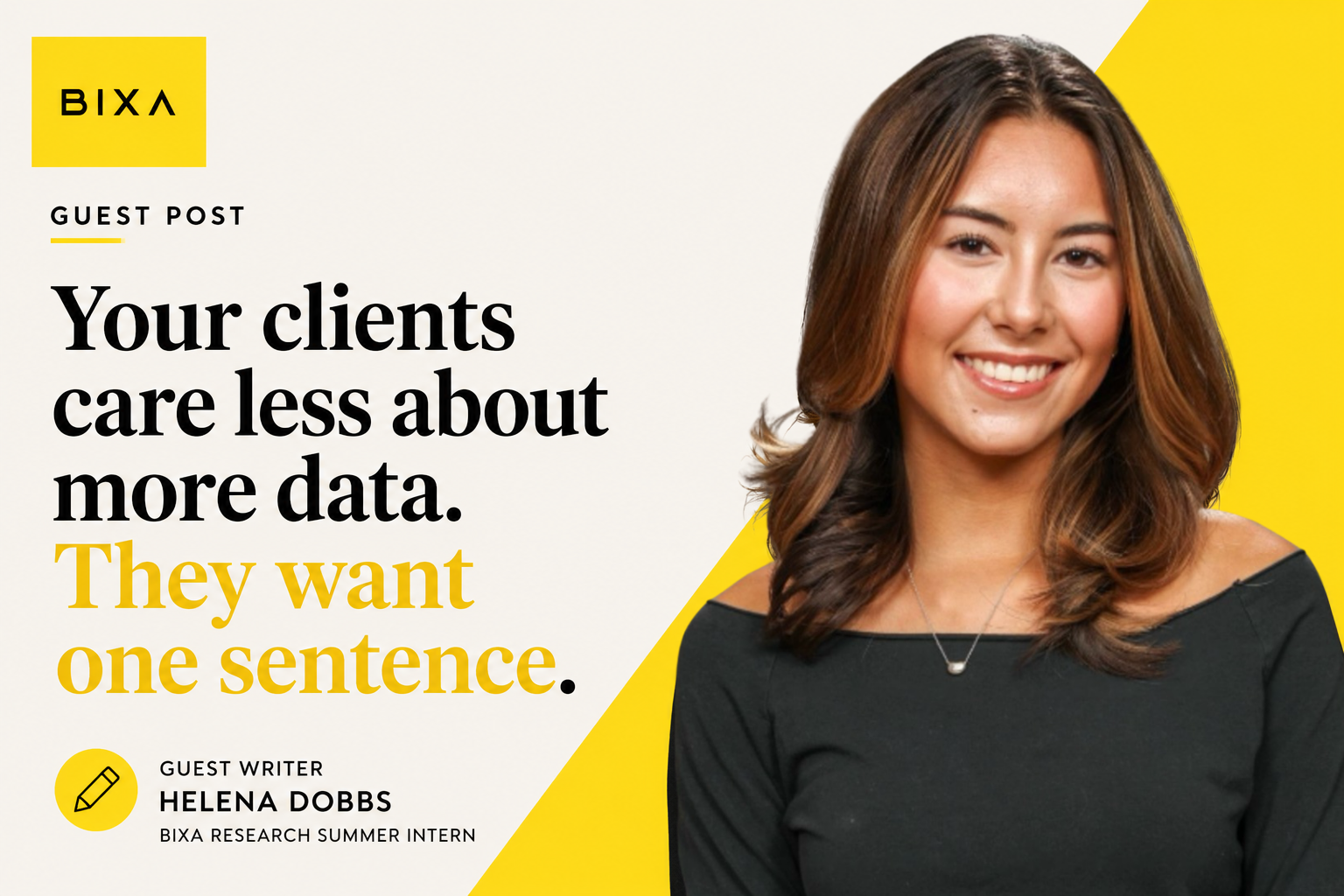
Your clients care less about more data. They want one sentence.
This summer, I had the amazing opportunity to intern at Bixa Research and sat in on many client presentations. Our presentations consisted of many charts, graphs, survey results, interview quotes and video clips. We tried to condense our slides by half. But after all of our hard work and research, the question most clients asked us was, “Can you simplify this into a one-pager or give us a summary of the ‘so what’”
One important aspect of market research that I learned from these client presentations: market research isn’t just about collecting data and analyzing it, it’s about translating it.
A research project might include hundreds of survey responses, charts, and statistical analyses. But none of these actually matter if the final insight is too complicated for someone outside of the research industry to understand.
So the goal isn’t really to present all of the findings. It’s more to simplify the findings and answer the question: “What does this all mean and what should we do next?”
From my time at Bixa, I’ve learned that the best researchers do these three simple things:
1. Simplify without oversimplifying
Turn complex insights into clear and concise insights, without losing what makes research meaningful.
2. Choose words carefully
Wording matters. A small change in wording can shift how clients interpret findings, so the way an insight is presented matters. Wording needs to be accurate, balanced, and easy to understand.
3. Focus on action
Every insight should help businesses make better decisions.
At Bixa, the research process doesn’t end when data is collected. We use both qualitative and quantitative methods to discover insights, and then translate those insights into recommendations for our clients. These recommendations aren’t just about the information itself, but about the clarity our clients walk away with. From what I’ve learned at Bixa, you need an elevator pitch for your research: one clear message that anyone can understand.
Considering working with Bixa for your next market research project?
At Bixa, we believe the value of research isn’t in how much data you collect — it’s in the clarity you get from it. We combine human-moderated qualitative research with rigorous quantitative methods to uncover not just what people think and do, but why. Then we do the part Helena describes so well: we translate all of that complexity into clear insights and recommendations your team can actually use. We’ve partnered with companies ranging from startups to global brands like Google, Acorns, GoHenry, and Cvent to help them make high-impact decisions with greater confidence.
If you’re navigating an important decision and want to pressure-test it with real humans, book a call with one of our senior researchers. We’ll help you find the “so what” Helena talked about above:

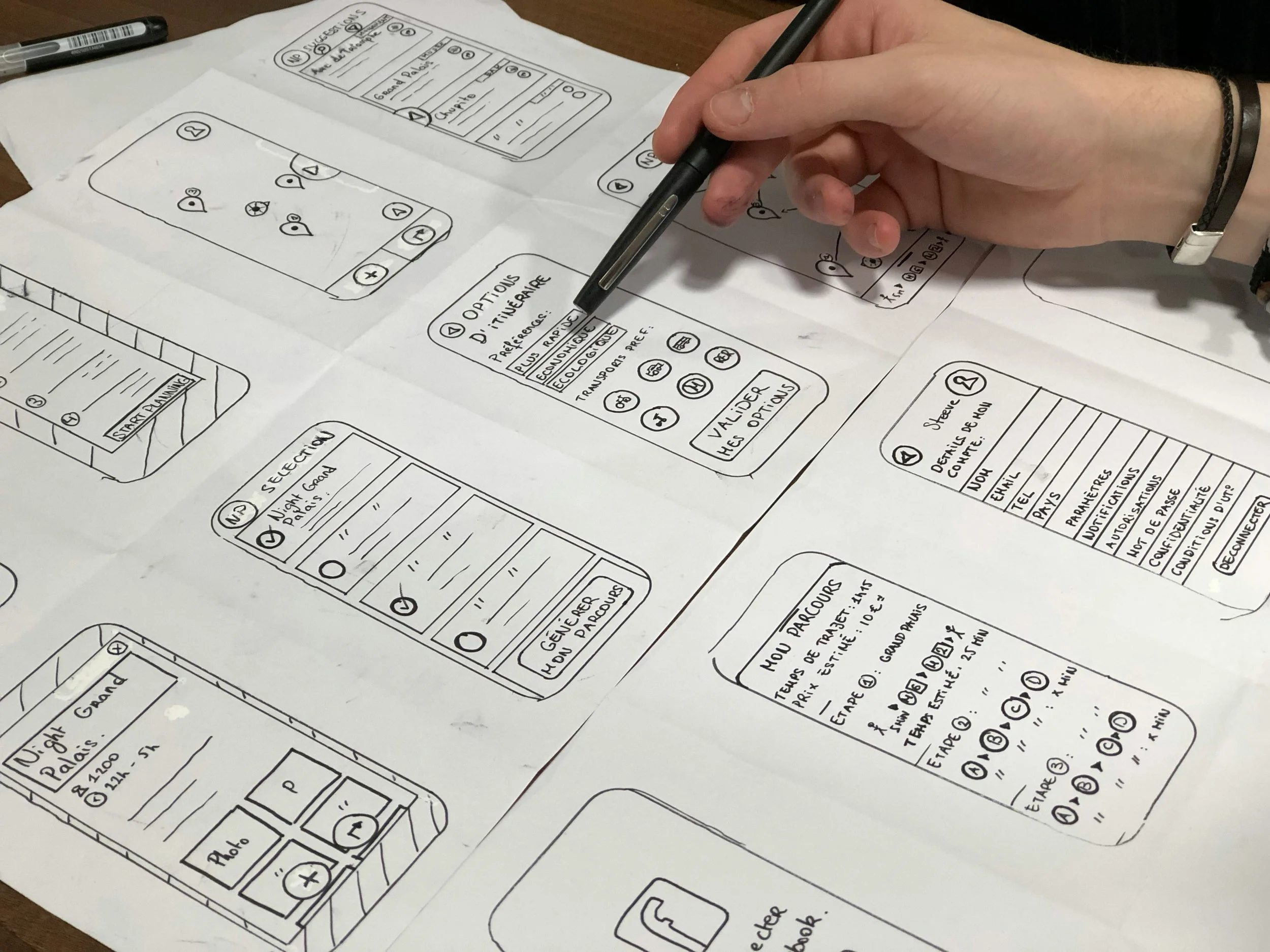
Explore the major market research trends shaping 2026, from faster mixed-method research and first-party insights to data quality, AI, and the changing role of researchers.